
Variety is the Spice of Life
How much variety does your body experience in the way you move?
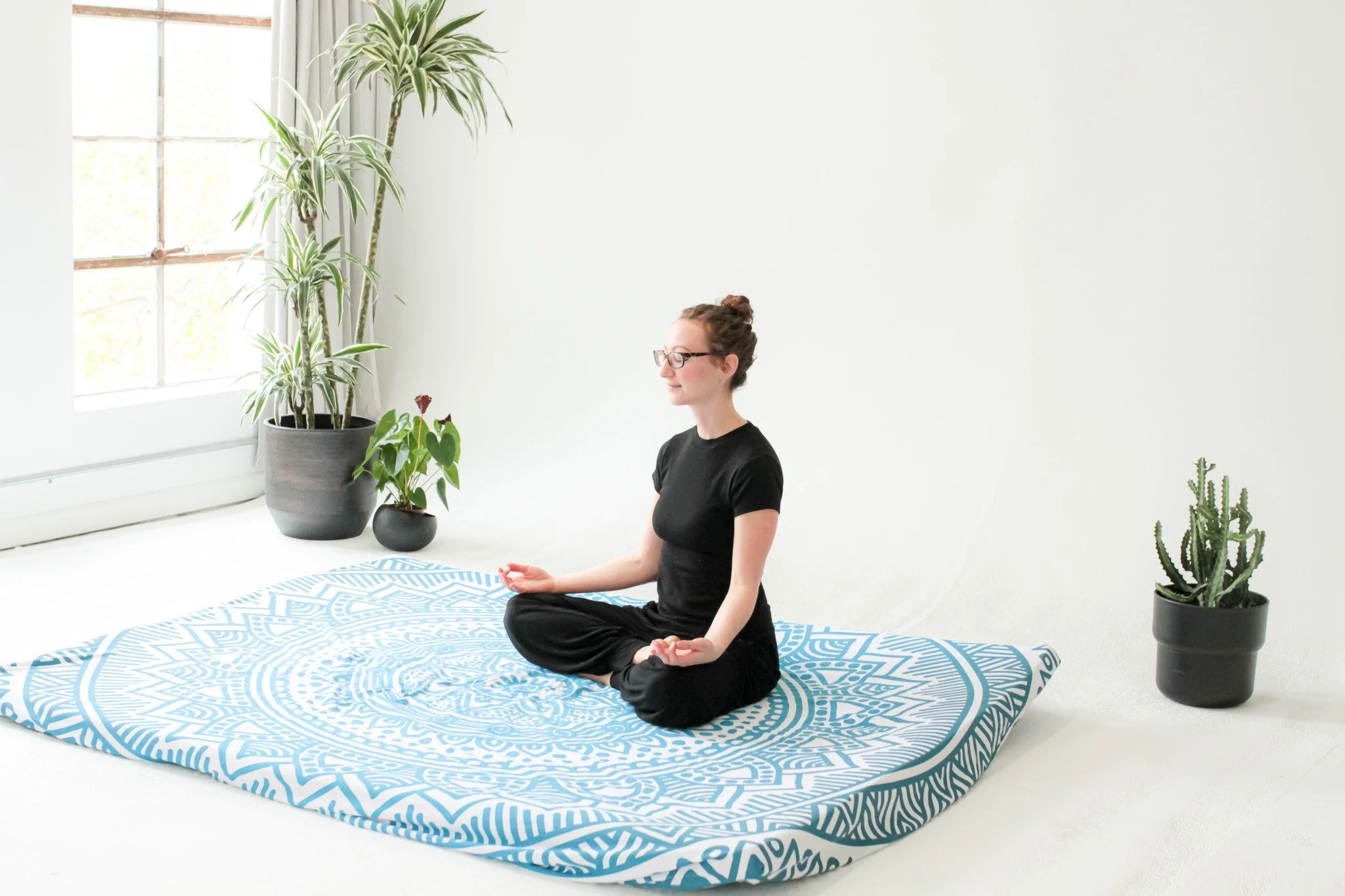
Welcome to The Lovely Day Letters—thoughts on healing, bodywork, and the people behind Lovely Day.
This letter was originally shared with our email subscribers. I'm so glad you're here.
Today I was talking with a client about yoga.
She's been practicing for nearly 50 years, which is incredible, but her practice is pretty different from mine. She tends to do basically the same stretches every day.
And let me be clear—this is not a bad thing. She typically stretches for around 40 minutes a day. She's moving her body, paying attention to it, and has maintained this practice for decades. That's pretty amazing.
My own practice looks very different.
I use Yoga with Adriene on the Find What Feels Good platform every day, and I'm constantly switching things up. Sometimes I'm doing yoga, sometimes Pilates. The length and style of the practices change. Sometimes we're moving a lot, sometimes barely at all. Regardless of the exact practice, I'm constantly being asked to connect with and move my body in different ways.
And our conversation got me thinking about how fascia and connective tissue respond to and adapt to the ways we use our bodies.
Think about sitting on an airplane for five hours. When you finally stand up, you might feel pretty stiff for those first few steps. Your body's been held in the same position for hours, and your tissues have been responding to that environment. Then you get up, walk around, stretch, and start moving in different directions again.
We tend to think of stiffness as a bad thing, but our connective tissues aren't just there to let us move. They're also part of what gives our bodies structure and support.
We need both.
Our bodies need stability as much as they need mobility.
If you progressively lift weights, your body adapts over time to better handle what you're asking of it. Connective tissue responds to that loading too.
Our bodies are constantly adapting to the ways we use them.
And that is why variety in how we move matters.
Many of us are creatures of repetition. We sit in the same chairs, drive the same way, sleep in our favorite positions.
And some of us bring that repetition into the ways we stretch and exercise too.
I see videos online all the time that say things like, Do this one exercise every day and you'll never have hip mobility issues.
If there were one magical stretch everybody could do to keep their body moving well, I'd be out of a job. Or, at the very least, I'd be giving all of you a copy and calling it a day.
So maybe your friend tries that stretch from Instagram, and it feels absolutely incredible. It was exactly what their body was asking for.
It could work for you too. Or not. Your body could need something completely different.
Our bodies benefit from experiencing different kinds of movement. That doesn't mean you need a brand-new routine every day or that there's something wrong with repeating something that feels good.
When we expose ourselves to different movements, teachers, and practices, we give ourselves more opportunities to discover something we might not have found otherwise.
Whatever you're doing, slow down enough to notice what's happening in your body.
The instruction is an invitation, not a requirement.
Try it. Explore it. And then listen.
I hear people say—and I've said it too—I could feel my shoulder getting tight. I could feel a little discomfort in the reps. But I just kept pushing through it and now I’m in pain.
What if we got a little better at noticing those moments while they're happening?
And not only noticing what hurts or feels restrictive, but noticing what feels good, too.
Where a movement makes you think, Oh, I like the way that feels. I want more of that.
Give your body opportunities to move in different ways—and let your body participate in the conversation about which of those movements are right for you.
That is exactly what I'm trying to teach when I talk about self-treatment.
And by the way, I don't think my client needs to throw away the yoga practice that's been serving her for decades.
But maybe she tries something different tomorrow.
And more importantly, maybe she notices what happens when she does.
I think that's a pretty good place for any of us to start.
Until next time,
Wishing you a Lovely Day,
Paula
Join The Lovely Day Letters
If this reflection resonated with you, I'd love to have you join The Lovely Day Letters.
New letters are delivered to subscribers first before they're added to the blog. They're simply thoughts on healing, bodywork, and the people behind Lovely Day.